How Does a Bleeding Control Patch Work for Military Units?
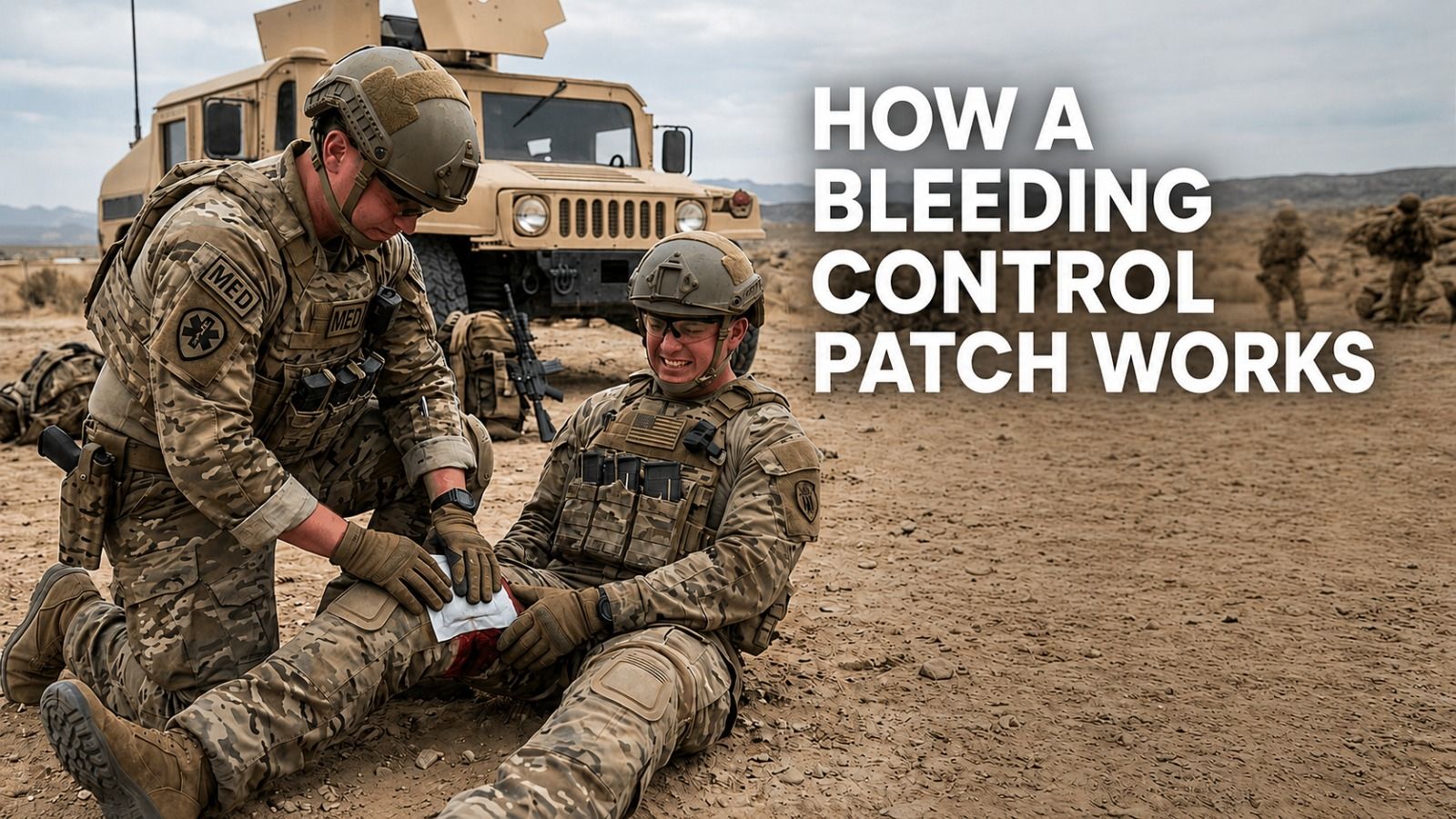
In combat, severe bleeding is a leading cause of preventable death. Soldiers and medics must act immediately and effectively to stop the bleeding and stabilise the injured person until further medical attention can be provided. Axiostat military develops hemostatic solutions that enable first responders to quickly stop the bleeding from injuries that occur in the dangerous environments of combat. One such solution is a bleeding control patch military teams employ to manage severe haemorrhage more quickly while they are involved in combat or tactical operations. This article will highlight how a bleeding control patch works, how important it is for military trauma care, and how it helps combat medics save lives during the most critical moments after a soldier becomes injured.
The Importance of Bleeding Control in Military Operations
Most battlefield injuries are due to gunshot wounds, shrapnel wounds, or blast injuries. These types of injuries can lead to rapid loss of blood from the body. If not controlled rapidly, the chances of dying greatly increase. For this reason, modern battlefield medicine places a strong emphasis on haemorrhage control. Many military medics carry bleeding control patches, enabling them to take action quickly, even in situations where hospitals are unavailable to care for patients. Our goal is to help extend the "golden hour" for patients with injuries.
What Is a Bleeding Control Patch?
A hemostatic dressing (bleeding control patch) is a small medical device designed to stop traumatic external bleeding from a wound by interacting with the cells of blood to create a stable clot on or in the wound and to seal the wound, therefore slowing or completely stopping the flow of blood from the wound.The military responders who provide medical care in an emergency to injured patients on the battlefield will be required to use bleeding control patches, which must meet specific requirements, such as:
It should quickly control bleeding.
It should be easy to apply under pressure.
It should work effectively in difficult environments.
At Axiostat military, we have developed easy-to-use, reliable dressings based on the latest research in field application.
Bleeding control patches achieve haemostasis through blood cell interactions; our patch rapidly promotes clotting with its bioactive component. When the bleeding control patch interacts with blood, it causes an immediate response to the blood cells that will allow for the creation of a stable clot.
Below are the simple steps for utilising a bleeding control patch:
1: Exposure and identification of the source of bleeding.
The responder must first expose the wound and identify where the most significant blood loss occurs.
2. Application.
Place the bleeding control patch directly over the exposed wound. The military responders utilise bleeding control patches.
Step 3: Apply Firm Pressure
Pressure is applied for several minutes. This helps the patch interact with the blood and form a clot.
Step 4: Secure the Dressing
After bleeding slows or stops, a secondary dressing can be applied to hold the patch in place.
In many cases, medics also carry wound-packing materials supplied by a certified combat gauze supplier to treat deeper injuries that require internal packing.
Features Military Medics Need
When it comes to using medical products in combat situations, reliability and ease of use are key factors. A bleeding control solution must perform reliably under extreme conditions and pressure. Features of great importance include:
speed of bleeding control
ease-of-use
lightweight
performance reliability in field conditions
A bleeding control patch military unit must also be able to function when the individual using it has limited time to provide care or is working with a limited amount of medical supplies.
In the defence medical kits
Modern tactical medical kits usually include multiple types of haemorrhage control items. These may consist of items such as tourniquets, haemostatic gauze, and bleeding control patches. Many defence agencies obtain these items from either an approved vendor or a reputable combat gauze supplier that can supply quality products approved under government regulations. Regulations created to guide and govern military procurement systems require a high level of product quality as well as thorough testing and evaluation processes for each product prior to approval by the authorising military procurement entity; therefore, manufacturers must comply with both regulatory and safety standards.
How Bleeding Control Supports Defence Readiness
Emergency control of excessive bleeding is effective in saving injured soldiers during the time they are being moved away from the battle scene. It can also improve survival rates during the early stages of trauma care.
In India and other nations, supplies for military medicine are frequently obtained through standard procurement procedures. Examples of medical supplies used in military applications include dressings (haemostatic gauze) and dressings (combat gauze) that are included in various defence procurement programmes to provide a source of medical supplies for the armed forces of each country. These defence procurement programmes will ensure that all military personnel (medics and soldiers alike) have access to appropriate supplies and equipment when they need to administer emergency care to their wounded.
When Should a Bleeding Control Patch be Used?
Bleeding control patches can be used to treat a variety of battlefield injuries.Some examples of common types of injuries requiring the application of a bleeding control patch include:
Gunshot Wounds
Shrapnel Wounds
Deep Cuts
Wounds from Explosions/Blast Injuries
Medics will use bleeding control patches on injuries before transporting the patient to an appropriate medical care facility. There are instances when the injury is substantially deeper than a surface wound and therefore requires that the medic apply additional wound packing products (i.e., GPIP packing tape) that are supplied through a combat gauze for defence procurement India to control bleeding in the body cavity beneath the surface of the wound.
Conclusion
Controlling severe bleeding is one of the most critical tasks performed by battlefield medics. Quick action taken in the first moments after the injury can mean the difference between saving a life and improving chances of surviving the injury.The bleeding control patch military uses can be used to apply quick pressure to assist in stopping active bleeding and stabilising a wounded soldier so that he or she can be safely evacuated for further medical care.
Axiostat military continues to develop bleeding control solutions for medics, responders and defence forces operating in high-risk environments; these solutions are supported with accredited supply chains (certified manufacturers) and provide key components for strengthening trauma care preparedness within military forces’.
FAQs
1. When would a combat wound cause bleeding that is treated using a bleeding control patch?
Bleeding control patches help cease bleeding from serious and traumatic injuries experienced during times of armed conflict, like gunshot or shrapnel-related injuries.
2. What's the typical timeframe for bleeding control patches to begin clotting at the site of an injury?
While applying firm pressure to the incision with a bleeding control patch typically causes bleeding to be stopped in less than five minutes after application.
3. Are bleeding control patches easy to apply by emergency responders in urgent situations?
Yes! The user-friendly design of bleeding control patches makes quick application possible for first responders and medical personnel so that they can prevent the loss of life due to blood loss quickly during the pressure of an ongoing emergency situation.
4. Who purchases combat gauze used in the Indian military and how?
Certified distributors and medical product manufacturers serving the defence medical sector stock and supply combat gauze to meet the procurement needs of military customers.
5. What process do militaries around the world use to obtain haemostatic gauze for military purposes?
Many defence agencies across the globe use an official defence procurement channel for trauma care supplies like haemostatic gauze, thus assuring the quality, reliability, and performance of the supplied goods.



 A collaborative study with Harvard